Winter Safety Improvements Every Commercial Property Needs | Mr. Handyman of Easton, Bethlehem, Nazareth & Allentown
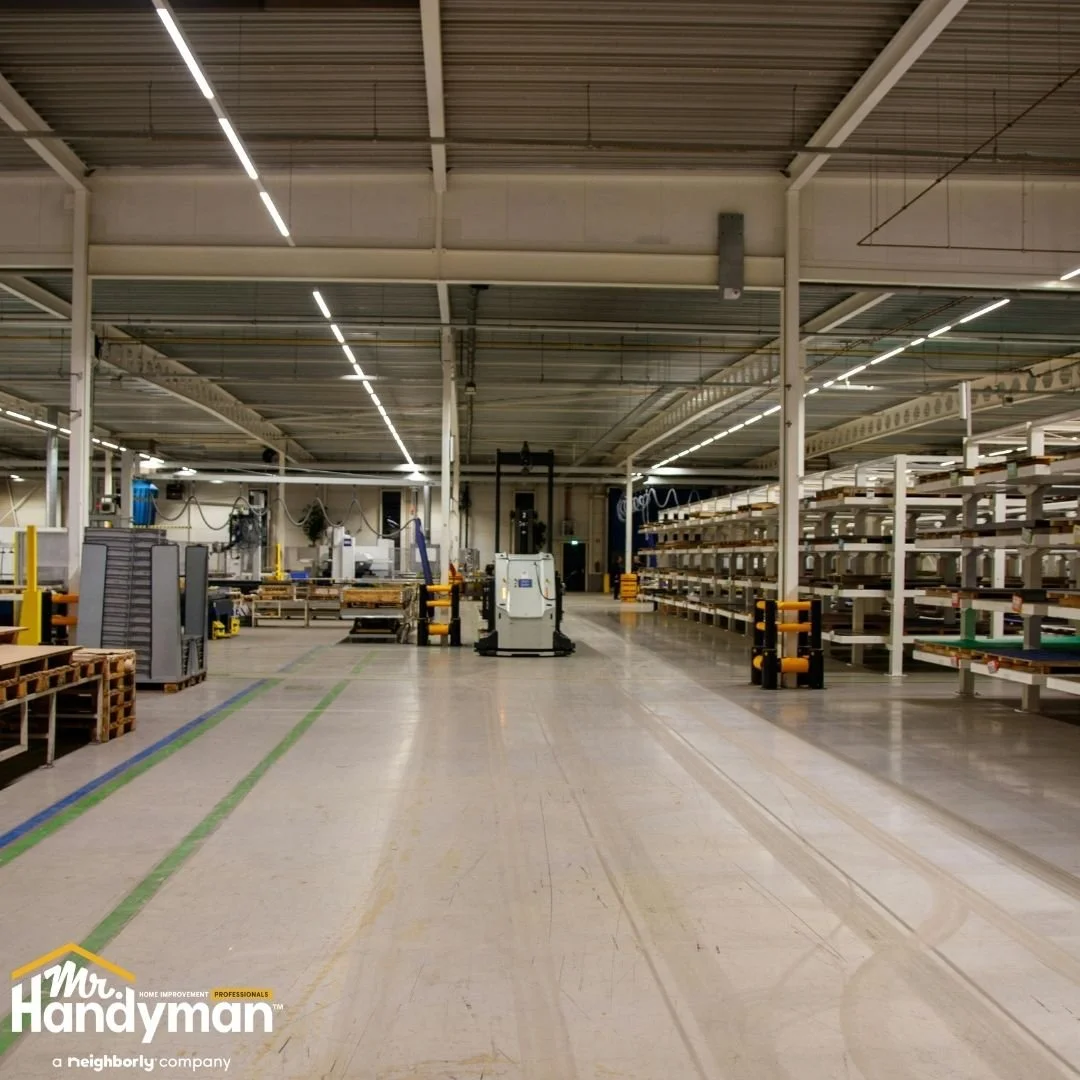
Winter creates unique safety challenges for commercial properties. Snow, ice, reduced daylight, increased indoor traffic, and fluctuating temperatures all raise the risk of accidents, damage, and liability. Winter Safety Improvements Every Commercial Property Needs focuses on the essential upgrades and maintenance steps businesses should prioritize to protect employees, customers, and property during the coldest months of the year.
For commercial properties in Allentown, Bethlehem, Easton, and Nazareth, winter safety is not optional. Slip-and-fall incidents, door malfunctions, lighting failures, and interior hazards are far more common during winter, and many are preventable with proactive improvements. Partnering with a trusted local provider like Mr. Handyman of Easton, Bethlehem, Nazareth & Allentown helps businesses address safety concerns efficiently and professionally. Understanding Winter Safety Improvements Every Commercial Property Needs begins with recognizing how winter conditions change risk across an entire facility.
Why Winter Increases Safety Risks in Commercial Buildings
Winter affects commercial properties in ways that extend far beyond outdoor sidewalks. Snow and ice tracked indoors, fluctuating temperatures, and heavier indoor occupancy all contribute to increased wear and safety hazards.
Common winter-related risk factors include:
Wet and slippery floors near entrances
Reduced visibility due to shorter daylight hours
Door and hardware stress from temperature changes
Increased congestion in interior spaces
Deferred maintenance from busy year-end operations
In many commercial buildings throughout Allentown and Bethlehem, winter reveals vulnerabilities that may not be noticeable during warmer months. Addressing these risks proactively is the foundation of Winter Safety Improvements Every Commercial Property Needs.
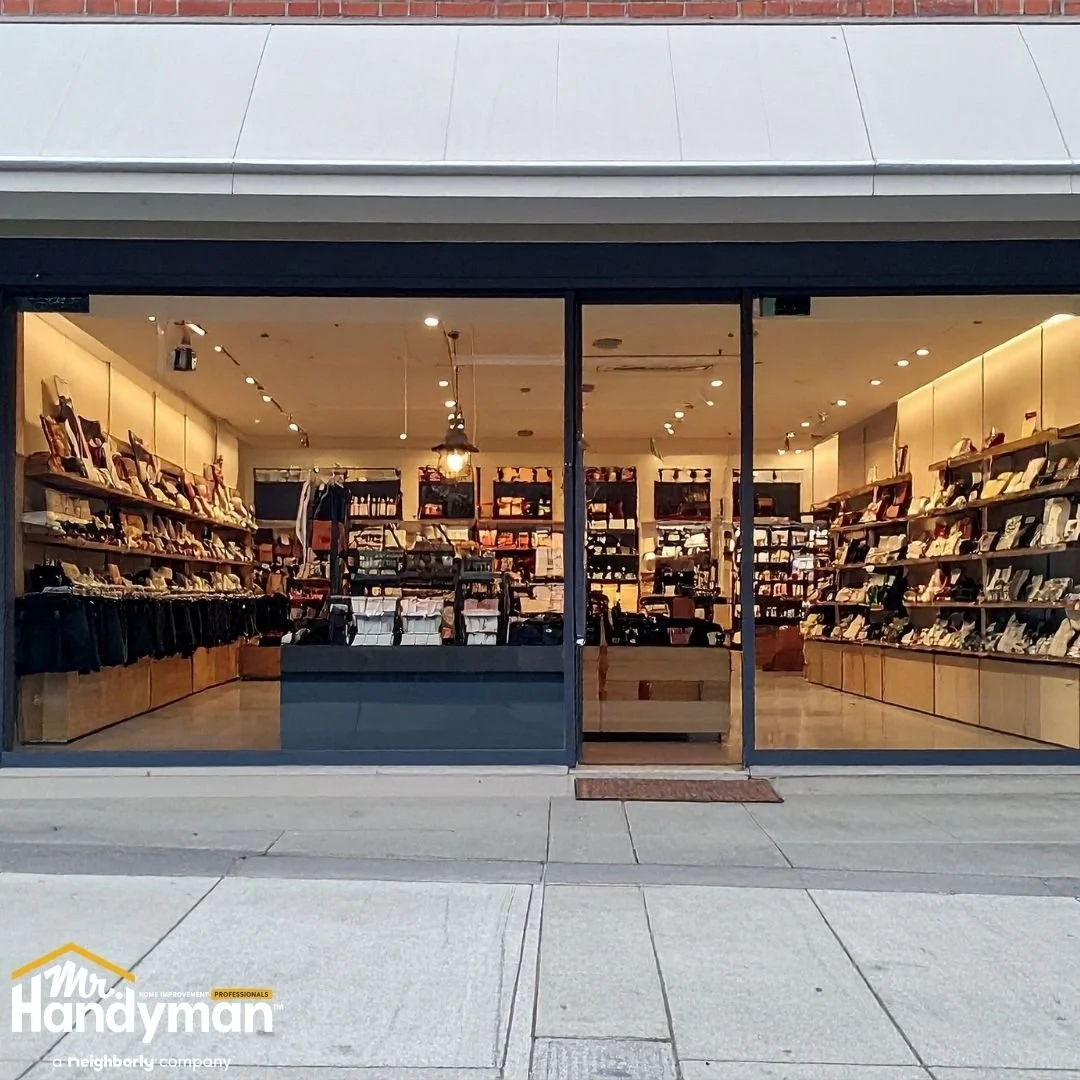
Entryway and Flooring Safety Upgrades
Entryways are the most common location for winter-related accidents. Snow, ice, and moisture are easily tracked inside, creating slippery surfaces that pose immediate hazards to employees and visitors.
Improving entryway safety is one of the most important steps businesses can take during winter.
High-Priority Entryway Safety Improvements
Installing heavy-duty commercial floor mats to absorb moisture
Repairing uneven flooring or damaged transitions
Improving traction on smooth flooring surfaces
Ensuring mats remain flat and securely positioned
Flooring issues that seem minor can quickly become liability concerns. Entryway upgrades are a core element of Winter Safety Improvements Every Commercial Property Needs because they address hazards where accidents most often occur.
Door, Hardware, and Access Safety
Doors are under constant stress during winter due to temperature fluctuations, wind pressure, and increased use. Malfunctioning doors create safety, security, and accessibility problems that should be addressed early.
Door and Hardware Safety Improvements
Adjusting door closers to prevent slamming or drifting
Repairing misaligned doors that stick or fail to latch
Ensuring ADA-compliant door operation
Securing loose handles, locks, and panic hardware
Businesses in Easton and Nazareth frequently encounter winter-related door issues caused by expansion and contraction of building materials. Door maintenance is a key part of Winter Safety Improvements Every Commercial Property Needs because it affects safe entry, exit, and emergency response.
Lighting Improvements for Darker Winter Conditions
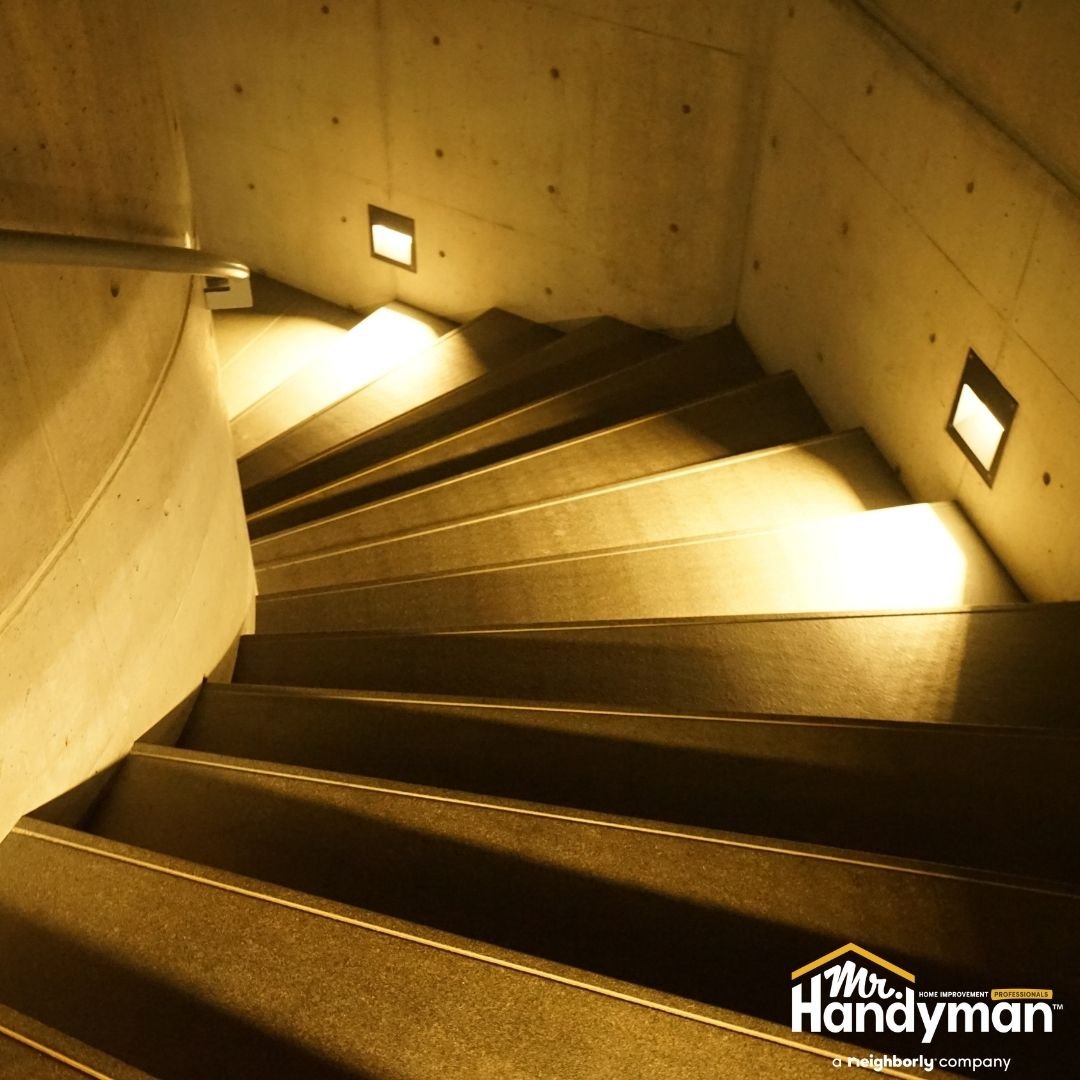
Shorter days and overcast winter weather reduce natural light, making proper interior and exterior lighting essential for safety. Poor lighting increases the risk of trips, falls, and security incidents.
Winter safety-focused lighting improvements include:
Replacing burned-out or flickering fixtures
Improving illumination in entryways, stairwells, and corridors
Ensuring exterior lighting near entrances is functional
Verifying emergency and exit lighting operation
Lighting deficiencies often go unnoticed until winter makes them obvious. Addressing lighting is a practical and necessary part of Winter Safety Improvements Every Commercial Property Needs.
Stairways, Handrails, and Vertical Movement Areas
Stairways and ramps become higher-risk areas during winter due to moisture, salt residue, and heavier foot traffic. Even small defects can lead to serious injuries.
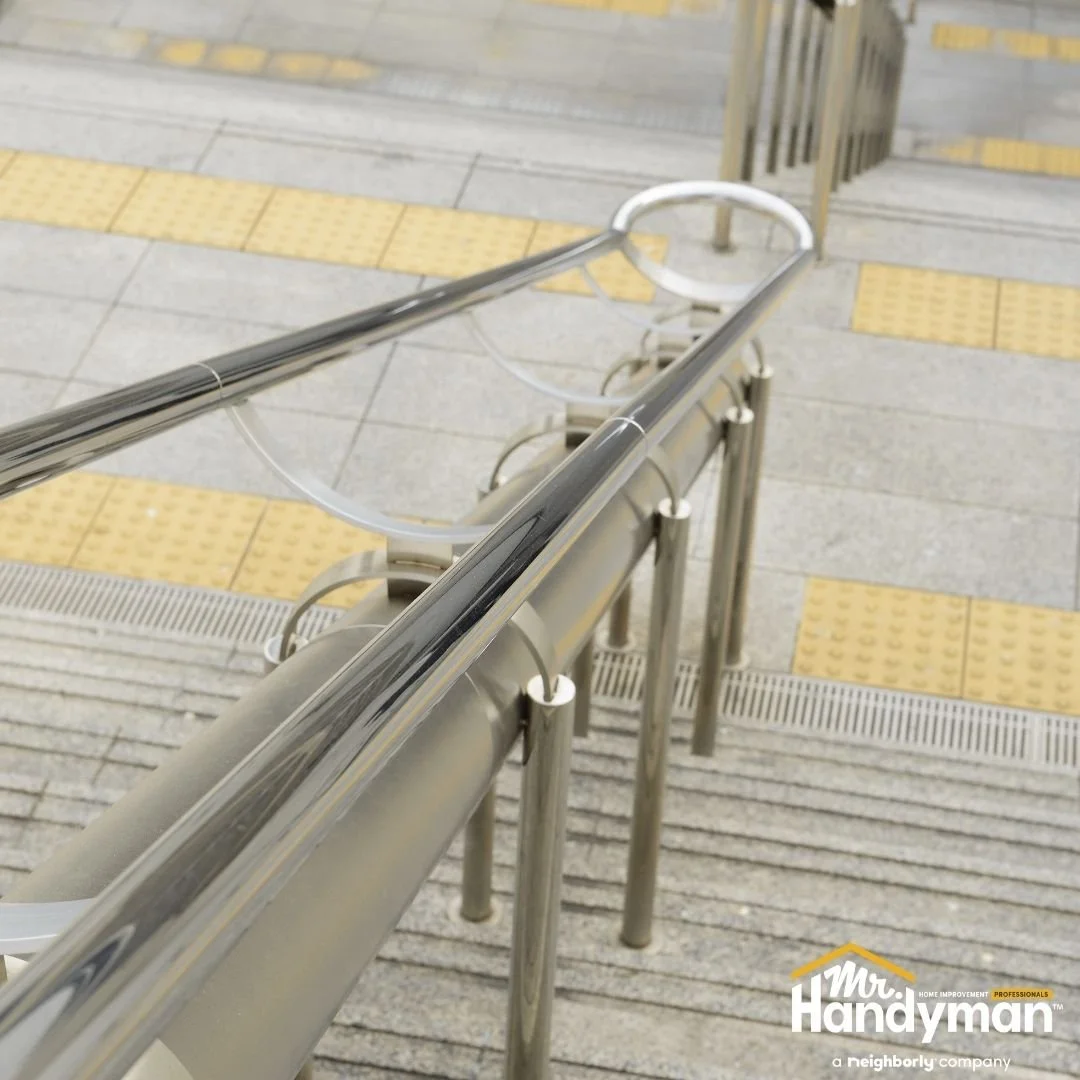
Critical Stairway Safety Tasks
Repairing loose or damaged handrails
Replacing worn stair treads or nosings
Improving traction on stair surfaces
Ensuring stair lighting is adequate and consistent
In commercial settings, stair safety is both a legal and operational priority. Addressing these areas early aligns directly with Winter Safety Improvements Every Commercial Property Needs.
Interior Trip and Fall Hazard Reduction
Winter brings increased indoor congestion as people spend more time inside. Temporary hazards such as extension cords, cluttered walkways, or loose mats become more dangerous when visibility is reduced.
Reducing interior hazards involves:
Securing loose cords and cables
Repairing damaged flooring or thresholds
Keeping walkways clear and well-marked
Addressing uneven surfaces promptly
These improvements support a safer environment for employees and customers alike and reinforce Winter Safety Improvements Every Commercial Property Needs across interior spaces.
Why Proactive Winter Safety Matters for Businesses
Slip-and-fall incidents, accessibility issues, and poorly maintained facilities expose businesses to liability, lost productivity, and reputational damage. Winter amplifies these risks, making proactive safety improvements essential rather than optional.
Businesses that prioritize Winter Safety Improvements Every Commercial Property Needs benefit from:
Fewer accidents and injury claims
Reduced liability exposure
Improved employee and customer confidence
Smoother operations during challenging weather
Winter safety is not about reacting to incidents. It is about preventing them before they happen.
The Role of Professional Maintenance in Winter Safety
Many winter safety improvements require skilled assessment and proper installation. Temporary fixes often fail under winter conditions, creating greater risk. Professional maintenance ensures safety upgrades are durable, code-compliant, and effective.
Working with Mr. Handyman of Easton, Bethlehem, Nazareth & Allentown provides businesses with reliable support for winter safety upgrades, repairs, and inspections. Professional services help ensure Winter Safety Improvements Every Commercial Property Needs are addressed thoroughly and correctly.
Winter safety preparation protects people, property, and operations. By focusing on entryways, doors, lighting, stairs, and interior hazards, businesses take meaningful steps toward safer facilities during the most challenging season of the year.
Restroom, Breakroom, and Common Area Safety During Winter
While entryways and corridors receive much attention during winter, restrooms, breakrooms, and common areas are just as critical when addressing Winter Safety Improvements Every Commercial Property Needs. These spaces experience heavy daily use and are more susceptible to moisture, clutter, and maintenance-related hazards during colder months.
Winter increases restroom traffic as people spend more time indoors, and moisture from coats and footwear often spreads into shared areas. Without proper upkeep, these conditions elevate the risk of slips, equipment damage, and hygiene concerns.
Restroom Safety Improvements to Prioritize
Repairing leaking faucets, toilets, and flush valves
Replacing loose or damaged flooring near sinks and stalls
Ensuring grab bars, partitions, and fixtures are secure
Improving ventilation to reduce condensation and moisture buildup
Even small restroom issues can quickly lead to accidents or complaints. Restroom safety is a core component of Winter Safety Improvements Every Commercial Property Needs, particularly for customer-facing businesses.
Breakroom and Kitchenette Safety Concerns
Breakrooms and kitchenettes see increased use during winter as employees spend more time indoors. Spills, overcrowded storage, and malfunctioning appliances create safety hazards if not addressed proactively.
Key Breakroom Safety Improvements
Securing appliances and checking cords for damage
Repairing cabinets, shelving, and countertops
Improving lighting over food prep and seating areas
Addressing floor traction where spills commonly occur
Well-maintained breakrooms support employee safety and morale. These improvements help reinforce Winter Safety Improvements Every Commercial Property Needs beyond public-facing areas.
Heating-Related Safety and Indoor Air Quality
Heating systems and supplemental heat sources play a major role in winter safety. Poorly maintained systems can create fire hazards, air quality issues, or uneven heating that affects comfort and productivity.
While HVAC servicing is often handled by specialists, many safety-related tasks fall under general building maintenance.
Heating and Airflow Safety Checks
Ensuring vents and diffusers are unobstructed
Repairing damaged access panels or vent covers
Checking wall and ceiling penetrations around ductwork
Addressing drafts that encourage unsafe space heater use
Indoor air quality and heating reliability directly affect occupant safety, making them an important part of Winter Safety Improvements Every Commercial Property Needs.
Storage Areas and Back-of-House Safety
Storage rooms, supply closets, and mechanical areas often become more crowded during winter. Seasonal equipment, snow removal tools, and additional supplies can quickly overwhelm poorly organized spaces.
Back-of-House Safety Improvements
Securing shelving to prevent tipping
Improving lighting in storage and utility areas
Keeping walkways clear of stored items
Repairing damaged walls, floors, or ceilings
Back-of-house areas are common locations for workplace injuries. Addressing these risks supports Winter Safety Improvements Every Commercial Property Needs across the entire facility, not just visible spaces.
Electrical Safety in Winter Conditions
Winter increases electrical demand as lighting, heating, and equipment usage rise. Electrical systems under stress are more likely to reveal weaknesses that pose safety risks.
Electrical Safety Improvements to Address
Repairing loose or damaged outlets and switches
Replacing cracked cover plates
Securing exposed wiring
Ensuring extension cords are not used as permanent solutions
Electrical safety is often overlooked until a failure occurs. Proactive attention to these details is a critical part of Winter Safety Improvements Every Commercial Property Needs.
Slip and Trip Hazard Reduction in High-Use Areas
Beyond entryways, winter moisture can spread throughout a building. Hallways, elevators, conference rooms, and service corridors all experience increased risk.
High-Use Area Safety Tasks
Ensuring mats are placed strategically and remain flat
Repairing loose thresholds and transitions
Addressing uneven flooring promptly
Improving signage where floors may be wet
Reducing slip and trip hazards throughout the building helps prevent accidents and supports compliance efforts. These measures reinforce Winter Safety Improvements Every Commercial Property Needs at every level.
Why Interior Safety Deserves Equal Attention in Winter
Many winter accidents occur indoors, not outside. As foot traffic increases and indoor spaces become more crowded, interior hazards become more dangerous. Addressing restrooms, breakrooms, storage areas, and electrical systems early helps prevent incidents before they occur.
Businesses that include these spaces in their safety planning gain a more comprehensive approach to Winter Safety Improvements Every Commercial Property Needs. By expanding focus beyond entryways, organizations create safer environments for employees and customers throughout the winter season.
Emergency Preparedness and Winter Risk Mitigation
Even with proactive maintenance, winter weather can create unexpected challenges. Emergency preparedness is a critical final component of Winter Safety Improvements Every Commercial Property Needs, ensuring businesses can respond quickly and effectively when conditions worsen. Snowstorms, power outages, equipment failures, and extreme cold all require clear procedures and well-maintained safety systems.
Commercial properties that plan for emergencies reduce downtime, limit damage, and protect occupants during winter events.
Winter Emergency Preparedness Improvements
Ensuring emergency exits are clearly marked and unobstructed
Verifying emergency lighting and exit signs function properly
Confirming access to shutoff valves and panels
Posting clear emergency procedures for staff
Preparedness minimizes confusion and improves response time when winter conditions disrupt normal operations.
Exterior Safety and Snow Management Coordination
Although this blog focuses primarily on building improvements, exterior safety coordination remains essential. Snow and ice management directly affect interior safety by increasing moisture tracked into the building.
Exterior Safety Measures That Support Interior Safety
Coordinating timely snow and ice removal
Maintaining clear, well-lit entry points
Ensuring drainage paths prevent refreezing
Inspecting exterior stairs, ramps, and handrails
Exterior conditions influence interior safety more than many businesses realize. Integrating outdoor and indoor efforts strengthens Winter Safety Improvements Every Commercial Property Needs.
Clear Communication and Staff Awareness
Safety improvements are only effective if employees understand how to use and support them. Winter conditions change daily, making communication especially important.
Staff-Focused Winter Safety Practices
Training employees to identify and report hazards
Establishing clear reporting procedures
Encouraging prompt cleanup of spills or tracked moisture
Reinforcing safe walkways and exits
Employees are often the first to notice hazards. Empowering them supports ongoing safety and reinforces Winter Safety Improvements Every Commercial Property Needs at the operational level.
Routine Safety Inspections Throughout Winter
Winter safety is not a one-time effort. Conditions change frequently, and routine inspections help identify emerging risks before incidents occur.
Recommended Winter Inspection Focus Areas
Entryways and floor mats
Stairways and handrails
Lighting and electrical systems
Restrooms and breakrooms
Storage and utility spaces
Regular inspections ensure safety measures remain effective throughout the season. This ongoing attention is essential to Winter Safety Improvements Every Commercial Property Needs.
Why Professional Support Strengthens Winter Safety
Many winter safety improvements require professional assessment, repair, and installation. Temporary fixes often fail under winter conditions, increasing risk rather than reducing it.
Working with Mr. Handyman of Easton, Bethlehem, Nazareth & Allentown provides businesses with experienced support for winter safety improvements, inspections, and repairs. Professional services ensure work is completed safely, reliably, and in compliance with applicable standards.
Reducing Liability While Protecting People and Property
Winter-related accidents can result in injuries, insurance claims, and reputational damage. Proactive safety improvements reduce these risks and demonstrate a commitment to providing a safe environment.
Businesses that prioritize Winter Safety Improvements Every Commercial Property Needs benefit from:
Fewer incidents and claims
Improved employee confidence
Better customer experience
Reduced operational disruptions
Creating a Safer Commercial Environment All Winter Long
Winter safety is about preparation, consistency, and accountability. By addressing entryways, interior spaces, emergency readiness, and staff awareness, commercial properties create environments that support safe operations throughout the coldest months.
Implementing Winter Safety Improvements Every Commercial Property Needs is not just about compliance. It is about protecting people, preserving property, and ensuring business continuity during a season that presents unique challenges. With proactive planning and professional support, winter becomes a manageable season rather than a source of risk.
Improve safety for employees and customers this winter. Call (610) 463-1131 or book commercial safety upgrades online with Mr. Handyman.
